10 Must-Have Features for Your Fitness Website

By Pritesh Baviskar
Posted Thu, Nov 23, 2023 | 10 min read
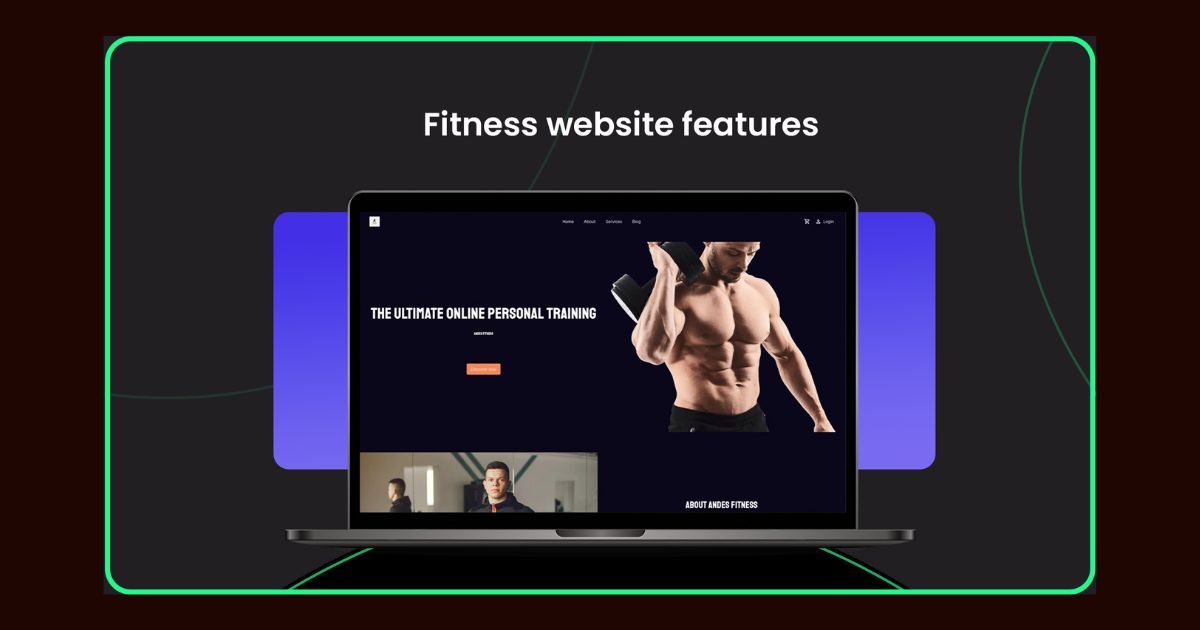
If you’re a personal trainer, gym, or any other fitness business, it is high time you establish a strong online presence. The digital fitness industry in the industry is currently valued at $19.27 billion and is projected to grow at an annual rate of 5.53%.
So, if you haven’t set up your fitness website yet, here’s a quick look at why you need one, as well as some of the must-have features every fitness website ought to have.
Why are fitness websites important?
A fitness website serves as a vital tool for gym owners and fitness businesses to establish a strong online presence, optimize their visibility on Google, create a positive first impression, increase revenue, and build authority and a strong community. Let's delve into these aspects in detail.
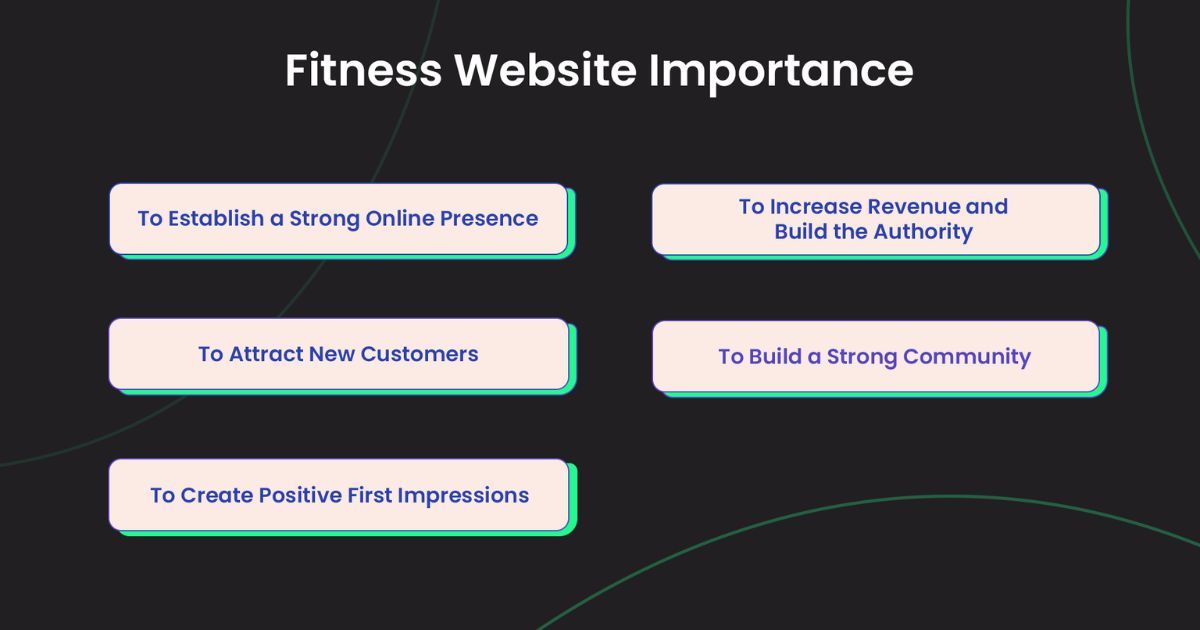
To Establish a Strong Online Presence
In today's digital age, a strong online presence is indispensable for any fitness business. The COVID-19 pandemic has accelerated the shift towards a more digital way of working and living.
People are increasingly relying on the internet to discover, engage with, and access fitness services. Therefore, a well-designed fitness website helps businesses be where their potential customers are: online.
Furthermore, with 2.64 billion people searching online for products and services, having a robust online presence becomes a critical avenue for potential members to find your fitness center. This is especially true if your competitors already have an online presence.
Ensuring that your website is mobile-optimized is key to making it as easy as possible for customers to access your information and services.
Simply put, a strong online presence enhances your gym's visibility, making it easier for potential members to discover you and engage with your services.
To Attract New Customers
An SEO-optimized fitness website plays a pivotal role in your business's success. This is because your website can be a powerful tool for attracting new customers through search results. While achieving high rankings in search engines like Google involves various factors, simply having a website opens the door to more opportunities.
SEO (Search Engine Optimization) is the practice of optimizing your website's content and structure to rank higher in search engine results. With a well-optimized fitness website, you can attract a steady flow of potential customers who are actively searching for the fitness services you offer. This, in turn, builds trust and brings high-quality leads to your business.
By focusing on SEO best practices, your fitness website becomes a valuable asset that consistently attracts organic traffic from people interested in fitness-related services. As a result, you can outperform your competition and secure a prominent position in top search results, making it easier for potential members to find your gym.
To Create Positive First Impressions
The phrase "first impressions matter" couldn't be truer when it comes to fitness websites. Consider this. It takes just 50 milliseconds for users to form an opinion of your website. In this brief moment, potential members decide whether they will stay and explore further or move on to another option.
The design, layout, and functionality of your website play a vital role in creating a lasting first impression. An eye-catching and professional web design can captivate visitors, making them more likely to stay and explore your fitness services. Conversely, a poorly designed website can drive potential members away, and they may never return.
Investing in a website with a visually appealing design, responsive layout, and a user-friendly interface is crucial to capture and retain the interest of potential members. A positive first impression sets the stage for a successful online interaction and, ultimately, for converting visitors into paying members.
To Increase Revenue and Build the Authority
Your fitness website is not just a digital billboard but also a revenue-generating asset. A well-designed website conveys professionalism, credibility, and expertise, signaling to potential members that your gym is qualified and trustworthy. This, in turn, builds your authority in the fitness industry.
Moreover, a great website is more likely to convert visitors into paying members. For example, if users find your website while searching for fitness services, a straightforward and user-friendly design can encourage them to sign up and start using your services promptly. This contributes to revenue growth and business success.
By presenting your fitness business through a professionally designed website, you not only attract new members but also portray your expertise in your industry. Building authority enhances your gym's reputation and helps you stand out from competitors, thus driving increased revenue.
To Build a Strong Community
In today's fitness landscape, the lines between digital and in-person services are blurring. Many fitness businesses are adopting a hybrid business model where digital experiences are as crucial as in-person ones.
Your fitness website plays an integral role in creating and nurturing a strong fitness community.
A great website can host essential features like class schedules, member portals, booking systems, and even live streaming or on-demand classes. It enhances the overall member experience by making it easier for members to engage with your services and connect.
For example, a well-designed website can offer features such as easy booking, automated class reminders, and community forums, promoting interactions among members and enhancing their overall experience.
This sense of community can be a powerful tool for retaining members and fostering long-term loyalty.
Essential Features Every Fitness Website Should Have
There are different ways that you could go about building your fitness website. You could choose to hire professional website developers to do the job for you, or simply build one using a hosting service.
Either way, here are 10 essential features every fitness website should have.
1. Clear and Concise Information About Your Business
Your website should be a reflection of your fitness business. Potential members should be able to quickly understand what you offer and what sets you apart from the competition. Ensure that your website includes the following information.
- A clear description of your fitness services.
- Your business mission and values.
- Information about your trainers and instructors (or yourself, as the case may be).
- Details about your brand's history and achievements.
- Contact information, including phone numbers and email addresses.
2. User-Friendly Navigation and Website Design
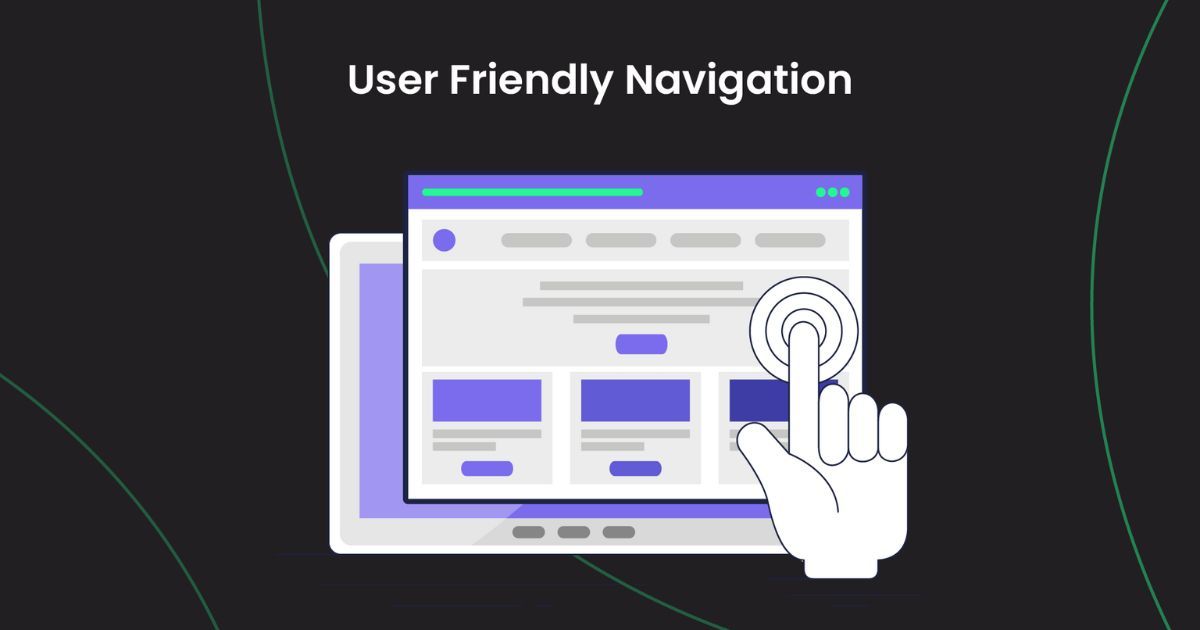
User experience is paramount. A complicated or cluttered website can deter visitors from exploring further.
On the other hand, a user-friendly design not only makes your website more appealing but also enhances the overall experience for your potential and existing members.
Opt for a clean and intuitive design with these features.
- Easy navigation menus.
- Clear headings and subheadings.
- Consistent layout and design throughout the website.
- Responsive design for mobile and tablet users.
3. High-Quality Images and Videos
Visual content is incredibly compelling. High-quality images and videos of your workout space or studio, classes, training methods, and existing members can showcase the unique experience you offer.
Including images and videos that reflect the atmosphere of your fitness center can help potential members visualize themselves participating, increasing the chances of them taking the next step and signing up.
4. Blog and Educational Content

Educational content, such as blogs and articles, can establish your gym as an authority in the fitness industry.
Regularly publishing content on fitness tips, nutrition advice, workout routines, and health-related topics not only provides value to your members but also attracts organic traffic from search engines. Educational content can help with search engine optimization (SEO) and drive more visitors to your website.
5. Membership and Registration Management Portal
A membership management portal is a crucial feature for any fitness website. The purpose of this feature is to allow your clients to access their relationship with you without having to visit your physical location. They ought to be able to:
- Register and sign up for memberships.
- Update their personal information.
- Access billing and payment details.
- View class schedules and book sessions.
- Manage membership renewals and cancellations.
This feature streamlines administrative processes and gives members more control over their fitness journey.
6. Online Appointment Booking and Class Scheduling
An easy-to-use booking and scheduling system is essential, especially if you offer classes or personal training sessions. A well-integrated system should allow members to do the following.
- View class schedules.
- Book classes online.
- Receive class reminders.
- Cancel or reschedule appointments.
This convenience enhances the member experience and helps reduce no-shows.
7. Run an E-Store
If you sell fitness or nutritional products, an e-commerce platform on your website is a valuable addition. Selling gym merchandise, supplements, or nutritional products through your website not only boosts revenue but also provides added convenience for your members.
8. Payment Processing System
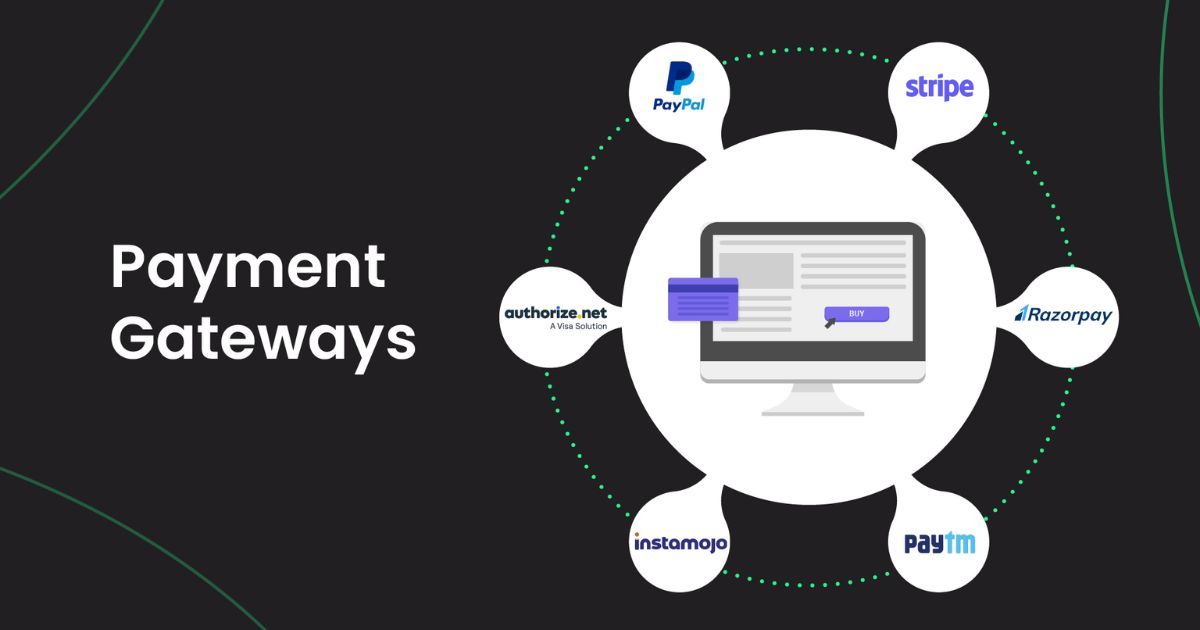
Ensure that your website has a secure and reliable payment processing system that allows your customers the option to make payments using their preferred payment modes.
This is crucial for processing membership fees, class bookings, and product purchases. Members should feel confident that their financial information is protected.
9. Reviews and Testimonials
Social proof is influential in attracting new members. Showcase reviews and testimonials from satisfied customers on your website. This builds trust and reassures potential members that your gym delivers on its promises.
10. Privacy and Security
In an age where data privacy and security are paramount, ensure your website is equipped with robust security measures. This is especially important if your website stores the personal information, payment details, and health data of your members. Members need to trust that their data is safe in your hands.
Build a World Class Fitness Website With CoachGenius
If you’re wondering how to start building your fitness website, look no further than CoachGenius. Here are some compelling reasons why we ought to be your only choice for a website builder.
- Our attractive, easy-to-use, and customizable layouts as well as templates will help you build a great-looking, easily navigable professional website.
- With CoachGenius, you can not only publish your fitness blogs, but we can also help you convert your workout videos into blogs.
- Our payment gateway integrations will allow your customers to pay you using their preferred payment methods, including debit cards, credit cards, and PayPal.
- Our scheduling tool will make it a breeze for your clients to check availability and book their workout slots. You get to offer them a variety of workout plans, split separate events into individual or group sessions, display how much each course will cost, and even create a waitlist.
- Want to have an e-store to sell nutritional products, merchandise, and more? We’ve got you covered there as well.
- Offer your clients value-added services with CoachGenius, such as a BMI calculator, meal planner, and workout planner. and more.
While these are just some of the great features you get when you choose CoachGenius as your website builder, we’d suggest you start your free trial today, so that you can get hands-on with the tool yourself. Once you learn for yourself how easy to use, intuitive, and feature-loaded CoachGenius is, you’re sure to choose a plan that works for your unique business needs.
I'm one of the founders at CoachGenius. As someone with a genuine understanding of the online coaching landscape, I'm no stranger to the challenges faced by personal trainers. I like to write about goal setting techniques, building personal brand and creating engaging online content related to fitness.